

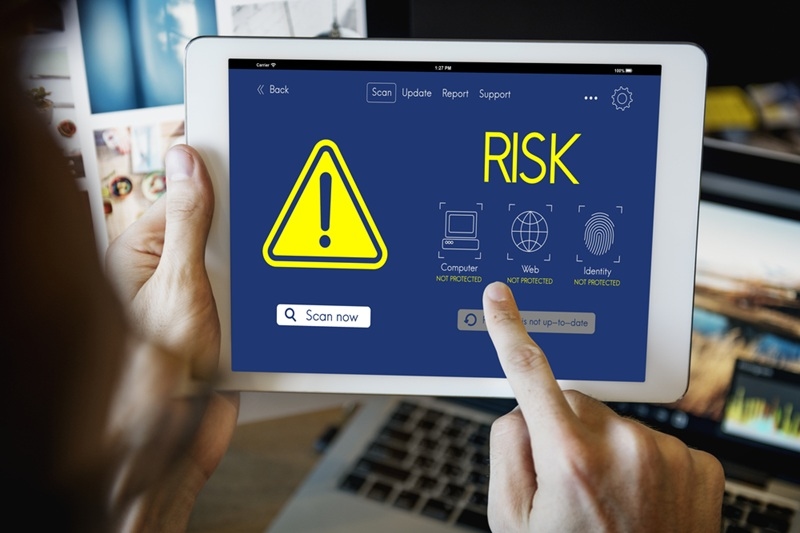
Security through technology has changed dramatically in the last decade, creating new challenges for organizations and individuals. Cybersecurity threats are continually evolving; they are no longer limited to hacking attempts on your computer or online accounts. Understanding the types of cyberattacks, applying malware protection techniques, and increasing your cyber awareness are all critical components in protecting yourself from becoming a victim.
Cybercriminals target any areas of vulnerability, including weak links in system and network security, manipulation of human behavior through social engineering tactics, and direct attacks via phishing emails and/or malicious websites. Unless you have an effective and thorough cyber risk management strategy, no matter how secure a place may be, it can easily become an attractive target for cybercriminals looking for a quick way to steal your money or valuable data, commit fraud against you, or disrupt your operations, potentially costing you millions of dollars.
With the rapid rise of digital platforms, remote work, and cloud computing, the attack surface continues to expand. Therefore, not only are large companies facing cybersecurity risks, but everyday consumers are also affected.
The first step to preventing a cyber attack is understanding the different types of attacks.
Each type of cybersecurity threat has its own unique response plan; therefore, being aware of these threats is critical to protecting yourself from becoming a victim.
Read Next: Cybersecurity Compliance: Why It Matters for Every Business
Understanding how cybersecurity threats operate and implementing proactive safeguards is the first step toward preventing them. In this piece, we will examine ways to protect yourself from the most common types of cyber attacks.
Following these proven malware prevention practices can help to minimize the likelihood of being exposed to malicious software:
By using these sources to prevent malware and regularly scanning your system, you can build a solid foundation to protect yourself from cybersecurity threats.
Phishing attack prevention is important for protecting your sensitive information from scammers. Scammers often impersonate legitimate businesses; therefore, it is important to be careful when you share personal information.
To do this:
Make sure you confirm that the email sender is legitimate before clicking on any links in the email.
By following strong phishing prevention practices, you can greatly reduce the risk of becoming a victim of an online security attack.
Organisations and Individuals Use Cybersecurity Risk Management To Identify, Measure and Limit Their Risk Exposure.
Some Key Strategies to consider for Effective Risk Management include:
Using sound risk management practices will allow you to reduce the potential consequences of being courted by cyber attacks and maintain your operational capacity.
Don't miss out: Top Cybersecurity Practices Every Small U.S. Business Needs
A fundamental component of being ahead of online security threats is to be proactive and use a layered security approach. Cybersecurity is a journey, not a destination.
What are some daily steps we can take to improve our cybersecurity?
By using some simple daily habits, we increase the effectiveness of our defensive strategy and reduce our vulnerabilities to cybersecurity risks
Some examples are as follows:
These daily habits will strengthen our defence and lower our likelihood of becoming a victim of cyber attacks.
Organizations should implement sophisticated approaches to managing cyber risks due to the need for heightened protection of secure information:
A combination of technology and knowledge will enable a company to fight against any security threats arising from the Internet.
Discover More Insights: Phishing Attack Prevention: How US Companies Can Stay Safe?
The increase in Cybersecurity Threats is a fact of life. Understanding how to protect yourself (from various types of Cyber Attacks) by applying virus protection advice and preventing phishing attacks makes you safer digitally.
As an individual or organization, your investment in Cyber Risk Management is not optional; it is critical. With continued education on the threats facing us (and on how to protect against them), you will be able to confidently operate in the digital world with lower exposure to online security risks.
These are activities designed to cause harm, theft, or disruption to a digital platform (computer system or network of computers) using malicious means. Cybercriminals often exploit both cyber vulnerabilities (infrastructure-based) and human behavioural vulnerabilities (individuals).
Common types of cyberattacks include malware, phishing, ransomware, DoS (Denial-of-Service), and Man-in-the-Middle attacks. These vary in how they target the system, but all share the objective of compromising access, data, or the integrity of the operating system.
Malware protection tips assist individuals with preventing the introduction of malicious software (malware) to their computers by providing them with the knowledge of how to:
1. Browse the internet safely (i.e., identify unsafe links; use strong passwords);
2. keep their computer updated; and
3. Use anti-virus software; and
4. Download files from the internet carefully.
The above tips can reduce the likelihood of contradicting the purpose of the systems by preventing unauthorized access to your computer and by preventing damage to your operating system.
To avoid these scams, users need to know how to recognise them. This allows them to protect their identities from identity theft, protect their life savings, and limit the time they spend online.
Cyber Risk Management refers to the process of identifying, assessing, and managing the risks associated with cybersecurity through the use of strategic security planning, cybersecurity tools, and the promotion of awareness to mitigate the risk associated with the evolving threat of cybercrime to protect the systems, personnel, and operating procedures of the organisations.
This content was created by AI